
15 Small Dining Room Ideas for Modern Compact Spaces
A small dining room feels better when furniture fits the available space properly. Oversized tables or bulky chairs can reduce comfort and limit movement. Choose a dining table that matches the room scale and layout. Keep enough clearance around the table to allow easy walking flow. This improves both function and visual balance in tight spaces.
Aim for about 30 to 36 inches of clearance around the dining table whenever possible. In smaller layouts, 24 inches can still work on a low-traffic side. Use smart furniture like benches with storage or drop-leaf tables for flexibility. Slim shelving adds storage without using too much floor space. Multi-functional pieces help maximize every inch of a small dining room Ideas.
15 Small Dining Room Ideas to Maximize Space
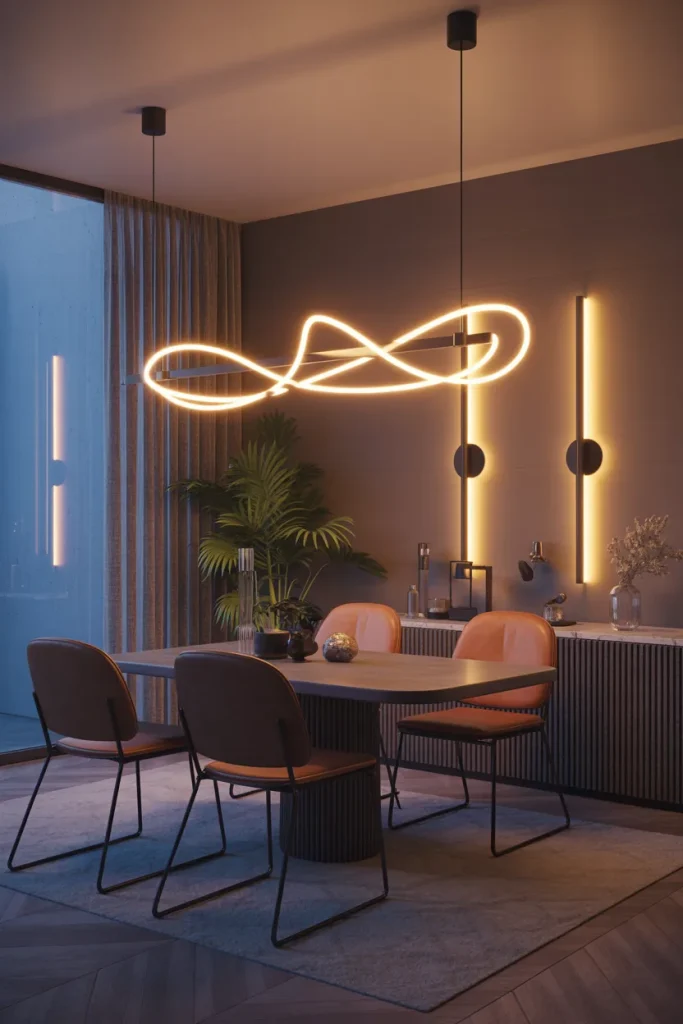
1. Creative Lighting Solutions
Lighting defines the mood and enhances every dining space with balanced illumination. Pendant fixtures add focused brightness while improving overall ceiling design and visual interest. A warm glow creates a cozy atmosphere, making the space feel more inviting and comfortable. Dimmable options allow control over intensity, helping adjust ambiance based on time and occasion.
Well-placed lighting highlights decor, artwork, and plants while improving the room’s visual depth. Proper brightness ensures functionality without overwhelming the space. Layered fixtures create a balanced mix of task and ambient lighting. This approach improves both style and usability in compact dining environments.
Must-See: Clever Narrow Home Office Space Ideas
2. Incorporating Mirrors for Depth
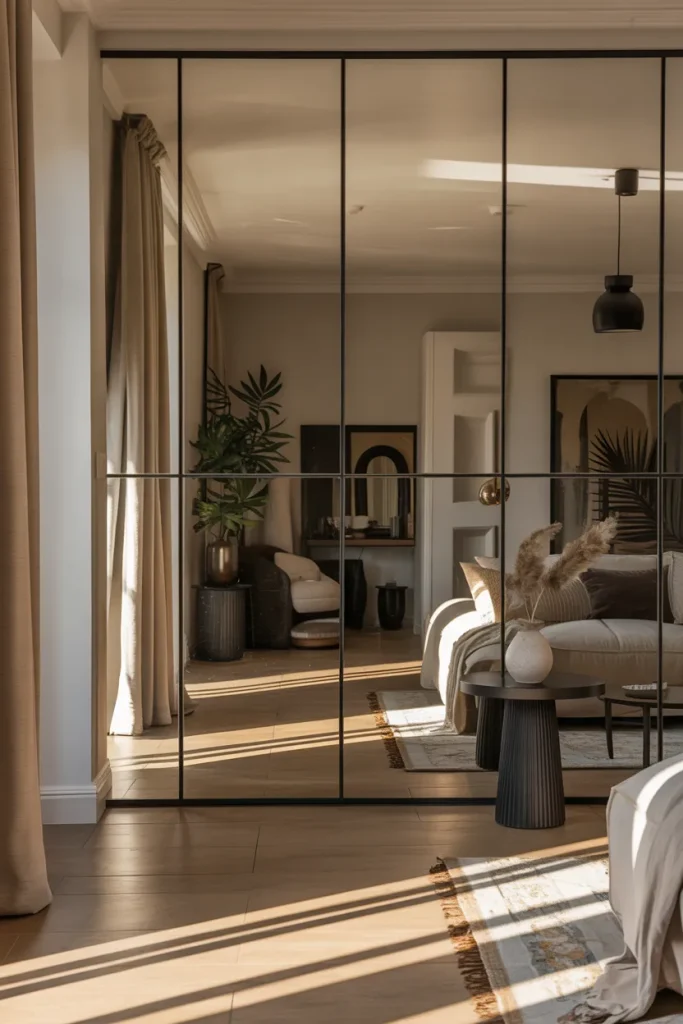
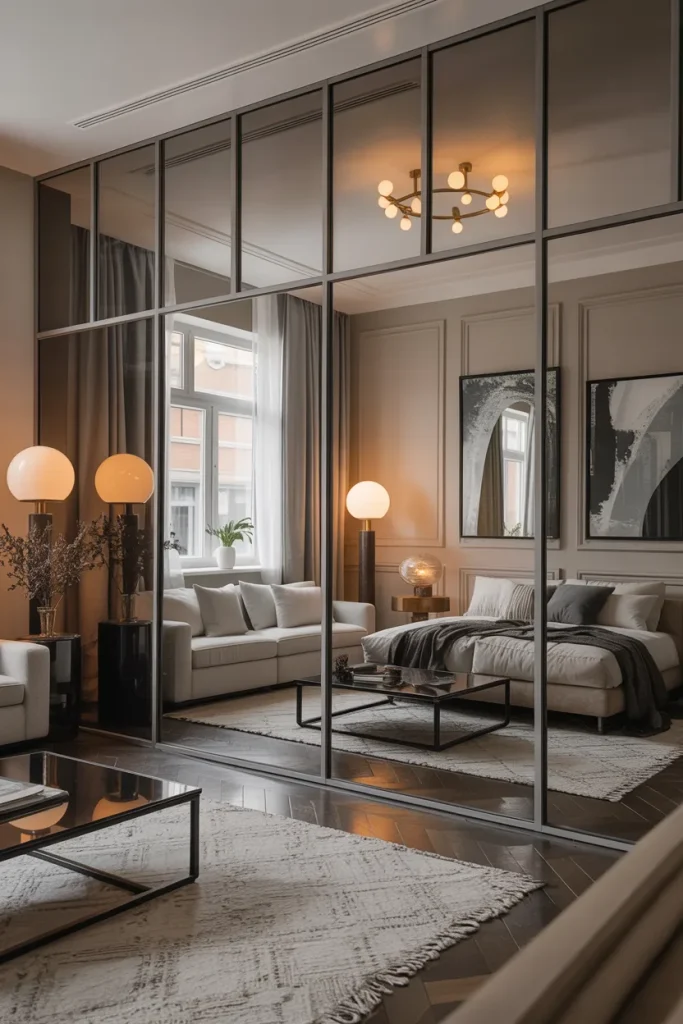
Mirrors create an illusion of more space by reflecting light and surrounding elements. Strategic placement near a window increases brightness and enhances the overall atmosphere. A well-chosen frame and shape can complement décor while acting as a focal feature.
Reflections of table settings, chairs, flowers, and greenery add depth and visual interest. Mirrors amplify colors and design elements, making the room feel open and balanced. This simple addition transforms a small dining area into a visually expansive space.
3. Choosing the Right Color Palette
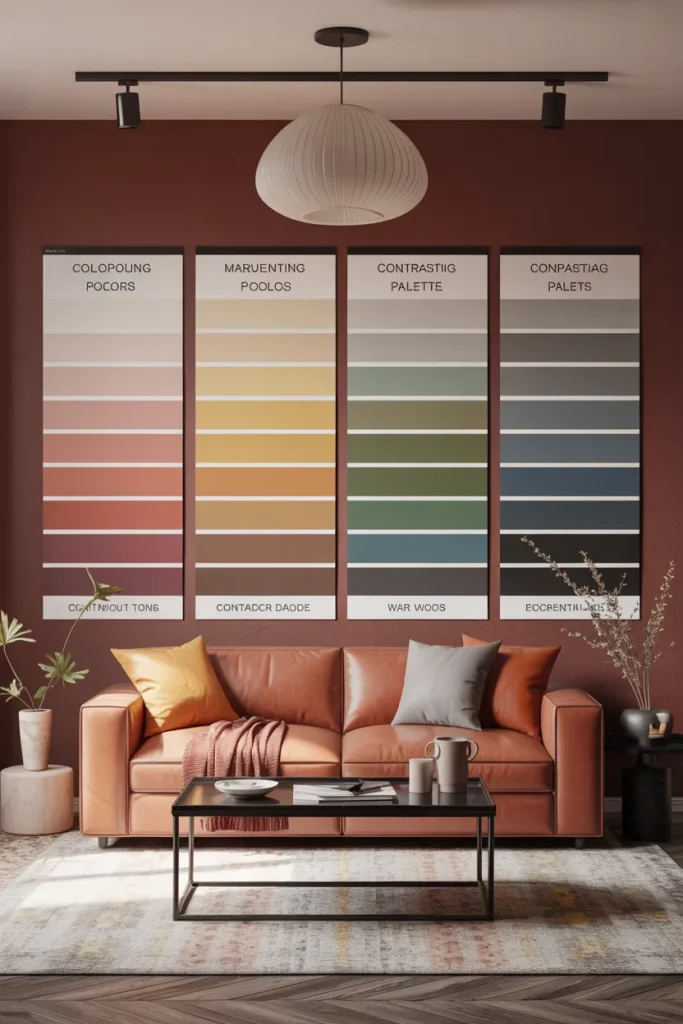
A well-planned color palette sets the tone and improves the dining room atmosphere. Light tones and neutrals reflect light, making walls and furniture feel more spacious. Soft shades paired with natural wood textures create a warm and inviting look.
Balanced colors across decor, plants, and artwork create a cohesive design scheme. Cushions and baskets add texture while enhancing visual depth. A consistent palette ensures harmony and makes the space feel organized and stylish.
4. Stylish Bar Carts as Dining Solutions
Bar carts combine style and functionality while saving valuable dining space. They provide storage for drinks, glassware, and bottles without cluttering the room. A compact design with shelves adds both convenience and visual appeal.
These carts enhance hosting and gatherings by keeping essentials within easy reach. Decorative accents elevate elegance and blend with existing decor. A well-styled bar cart becomes both a functional piece and a design highlight.
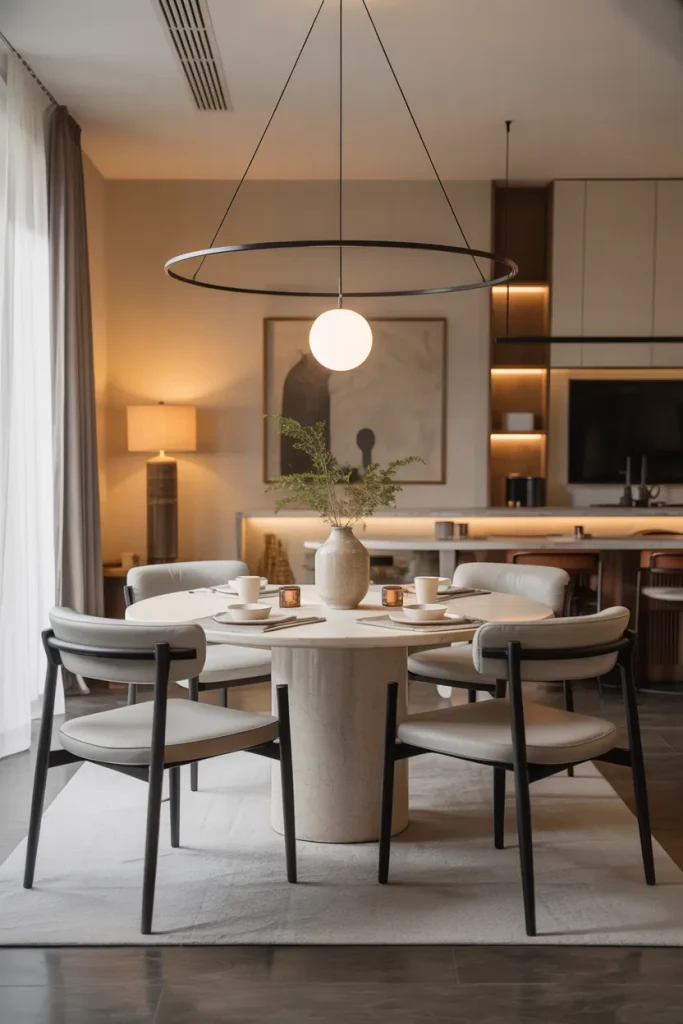
5. Round Tables for Better Flow
Round tables improve movement and create a natural flow within a limited space. Their shape allows better seating arrangements without sharp edges interrupting the layout. Chairs fit comfortably around the table, enhancing usability and comfort.
Wood tones and simple decor keep the design balanced and visually pleasing. Natural light from windows enhances the atmosphere and highlights surrounding elements. Adding plants softens the space and creates a welcoming dining environment.
Must-See: Mobile Home Landscaping Ideas
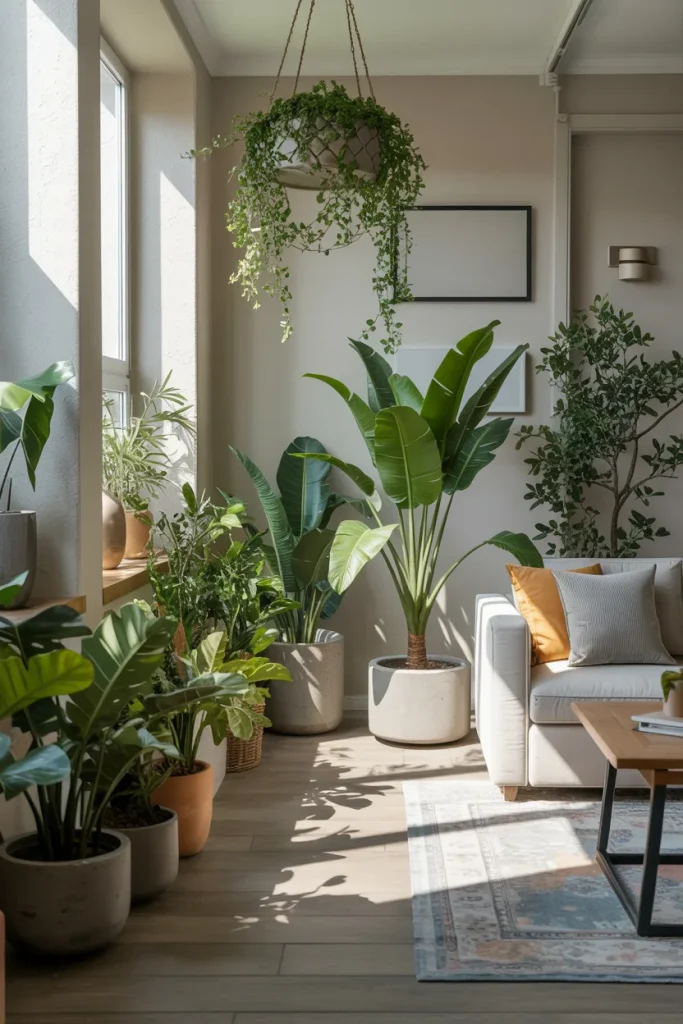
6. Incorporating Plants for Freshness
Plants bring freshness and natural color into any dining space. Placing greenery near a window supports growth and enhances light distribution. Small pots on tables or shelves add life without overwhelming the layout.
Plants improve air quality and create a healthier environment for daily use. Their presence adds depth and complements decor elements like chairs and tables. This simple addition makes the space feel vibrant and refreshing.
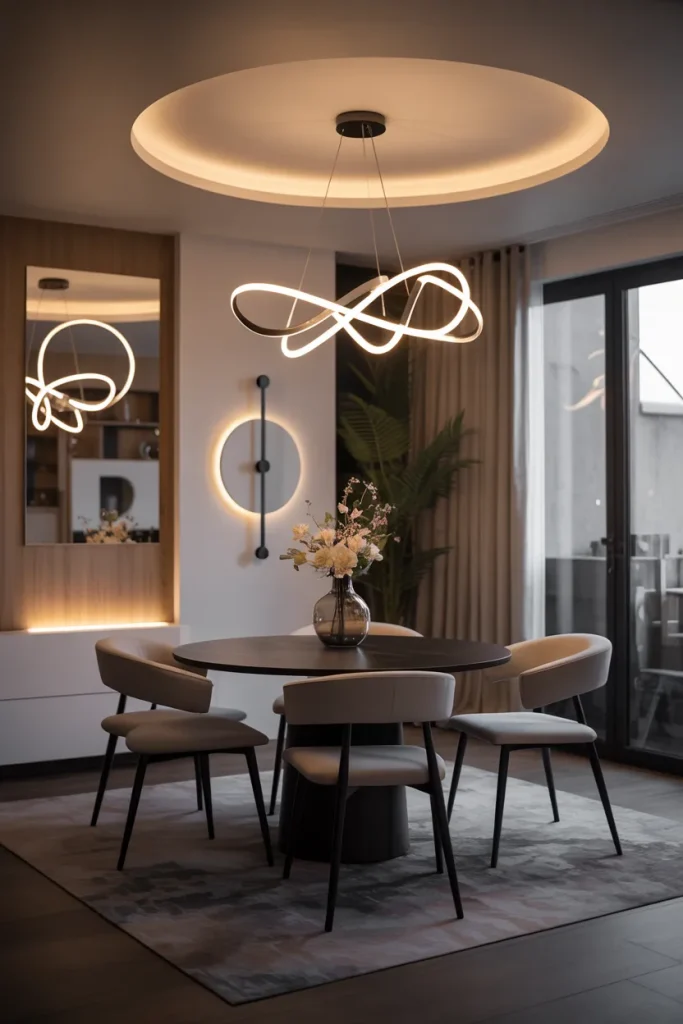
7. Maximizing Space with Multi-Functional Furniture
Multi-functional furniture improves space efficiency without sacrificing design. Folding tables and chairs offer flexibility for different dining needs. Built-in shelving provides storage and display options for decor and plants.
Pendant lighting enhances the setup while maintaining a clean and modern look. Functional design ensures each piece serves more than one purpose. This approach keeps the dining area practical and visually appealing.
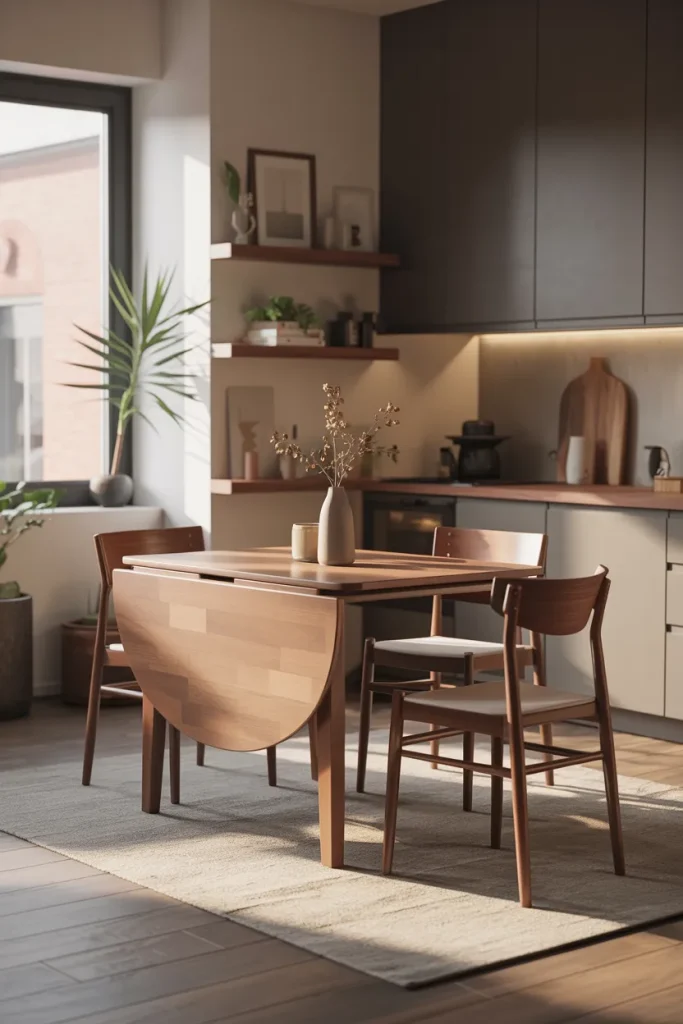
8. Incorporating a Drop-Leaf Table
A drop-leaf table offers flexibility and adapts to changing space needs. It can expand for guests or fold down to save space daily. This design works well with chairs that can be easily arranged or stored.
Wood finishes and simple decor maintain a clean and stylish appearance. Fixtures and small elements, like a clock, add character without clutter. This table style balances practicality with elegant design.
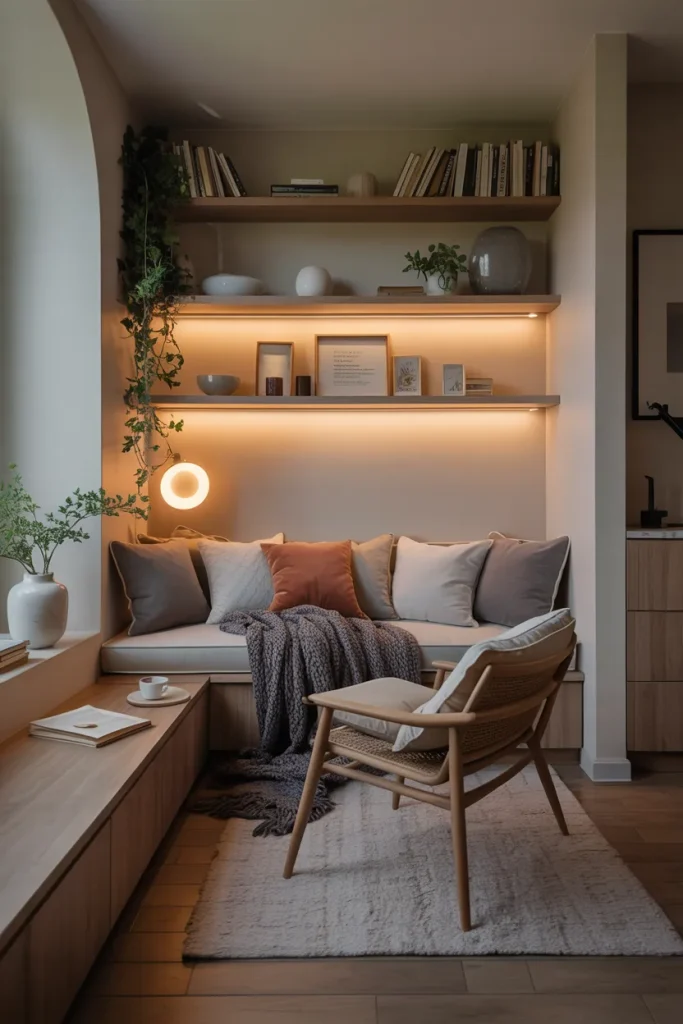
9. Designing a Cozy Nook
A cozy nook creates a relaxing dining corner with comfortable seating and soft cushions. Natural light from a window enhances the atmosphere and improves the overall feel. Adding greenery and decor makes the space more inviting.
A small table paired with thoughtful accessories improves both style and function. This corner setup maximizes unused space while offering comfort and relaxation. It becomes a perfect spot for casual meals or quiet moments.
Must-See: Creative Tiny Kitchen Ideas
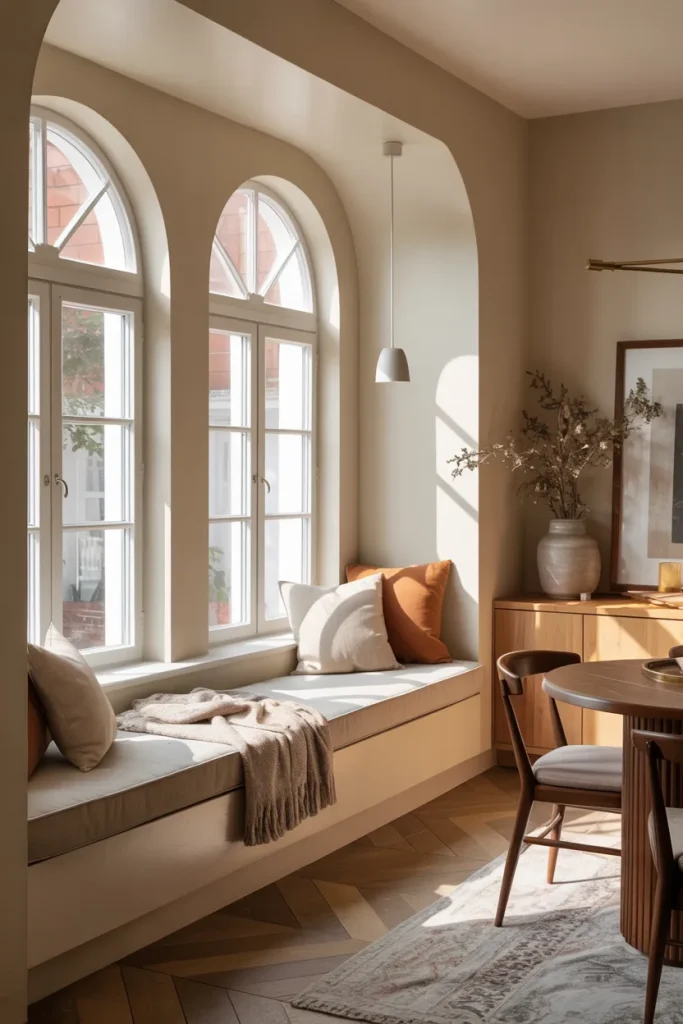
10. Utilizing Built-In Seating Options
Built-in seating, like benches, maximizes space and improves layout efficiency. It provides consistent seating around the table without needing extra furniture. Cushions add comfort while maintaining a clean design.
Light from windows enhances the seating area and highlights decor and plants. Artwork adds personality and completes the overall design. This solution combines functionality with a polished and organized look.
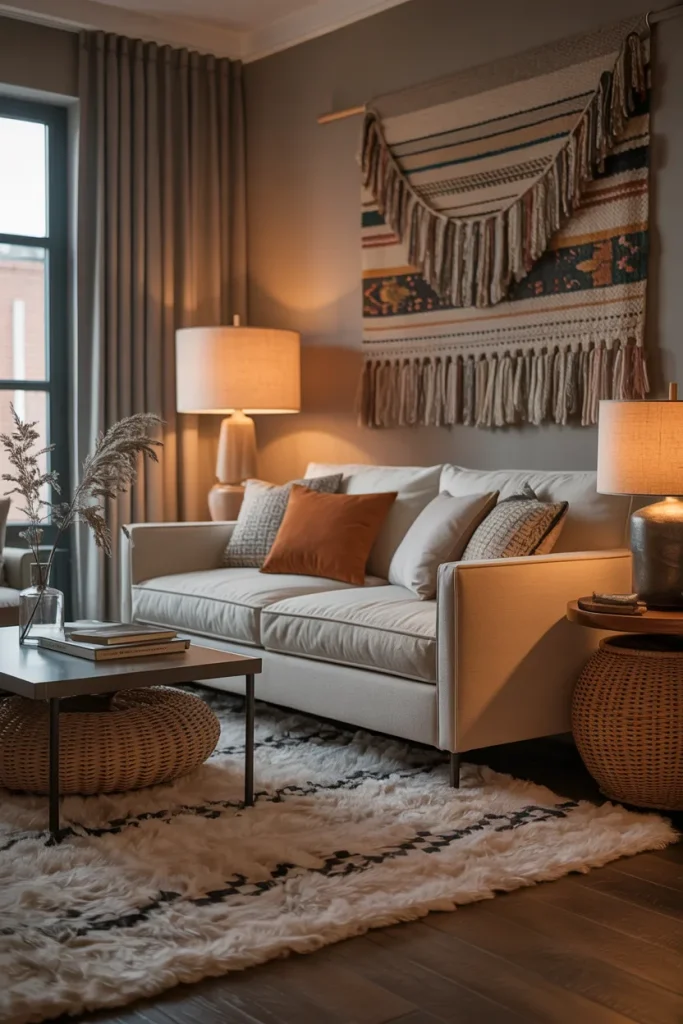
11. Layering Textures for Warmth
Layering textures adds warmth and depth to the dining space. Wood tables, soft cushions, and fabrics create a balanced and comfortable environment. Rugs and curtains enhance both color and texture variation.
Combining different materials creates visual layers that enhance the overall design. Greenery adds a natural touch while softening the space. This approach creates a cozy and inviting atmosphere for everyday use.
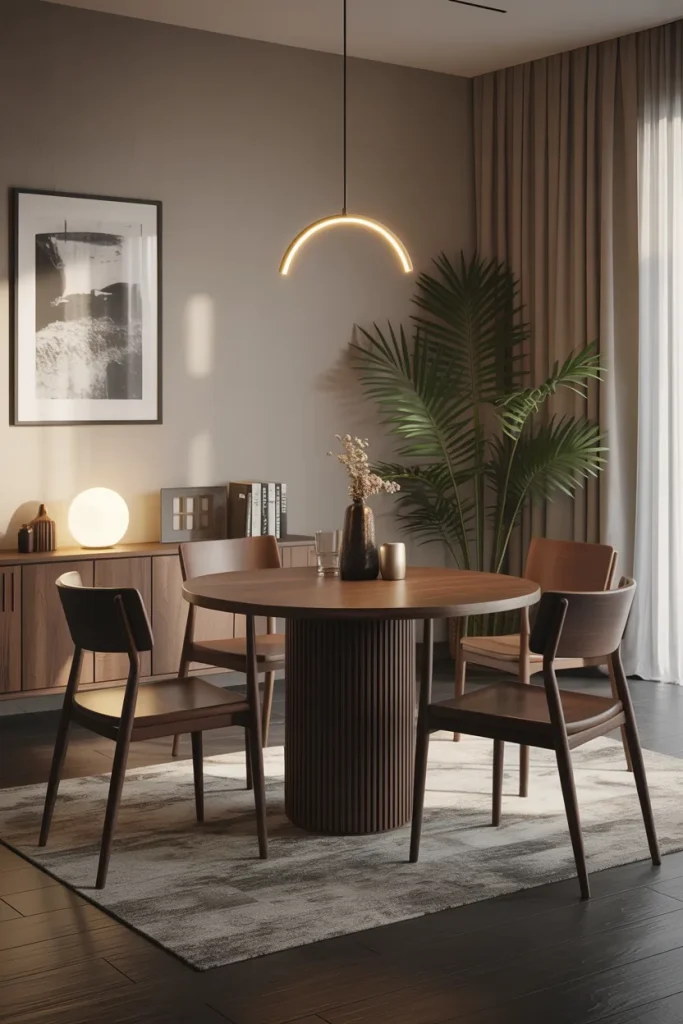
12. Incorporating a Statement Light Fixture
A statement lighting fixture acts as a focal point and enhances the dining room design. A chandelier above the table draws attention and adds elegance. It also improves the perception of height and space.
Balanced tones and proper ceiling placement ensure both style and functionality. The fixture complements chairs, decor, and overall layout. This feature creates a strong visual impact while maintaining usability.
Must-See: Genius Ideas for Small Pantry
13. Using Rugs to Define the Space
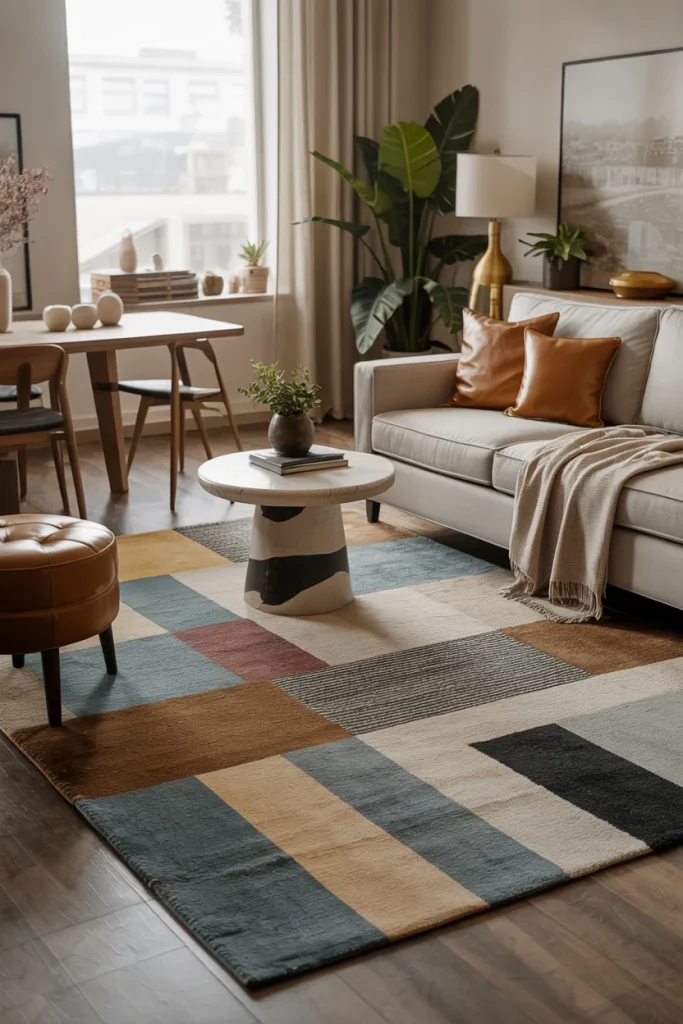
Rugs help define the dining area and create clear visual boundaries. Placing a rug under the table and chairs anchors the space effectively.
Patterns and colors enhance the overall design and complement the flooring. Proper size and placement ensure balance and avoid overcrowding. Rugs separate zones within open layouts while adding warmth. This simple addition improves both function and visual organization.
14. Choosing Space-Saving Chairs
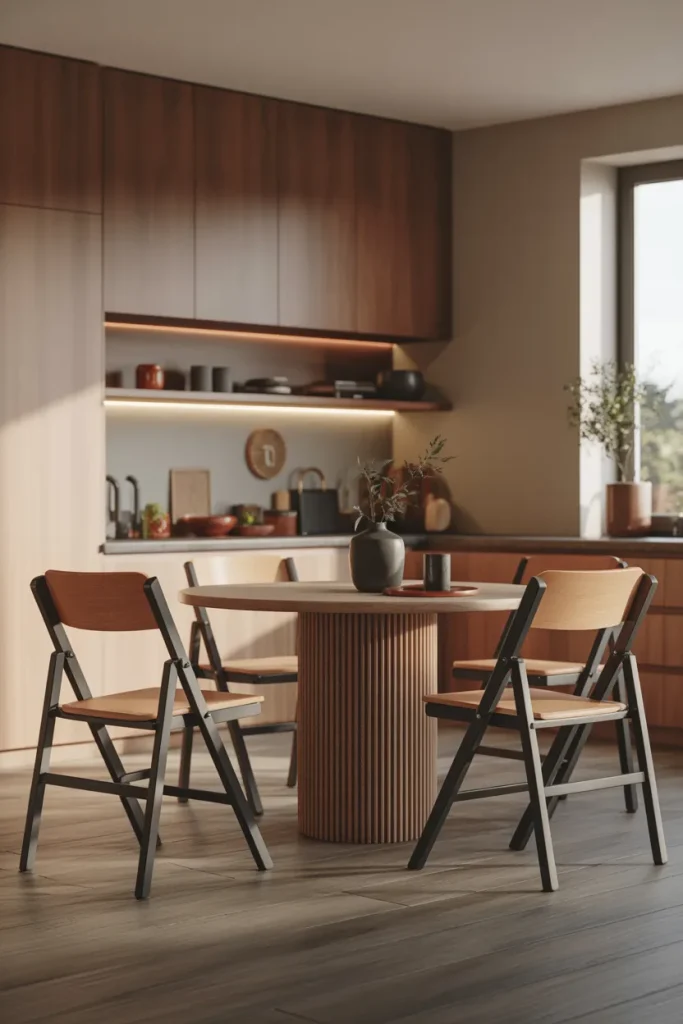
Space-saving chairs improve movement and optimize dining area layout. Slim profiles and versatile designs make them easy to arrange and store. Comfortable seating ensures usability without compromising style.
Durable materials and thoughtful colors enhance both longevity and appearance. These chairs adapt to different layouts and support flexible use. This makes them ideal for compact dining spaces.
15. Creating a Focal Point with Art
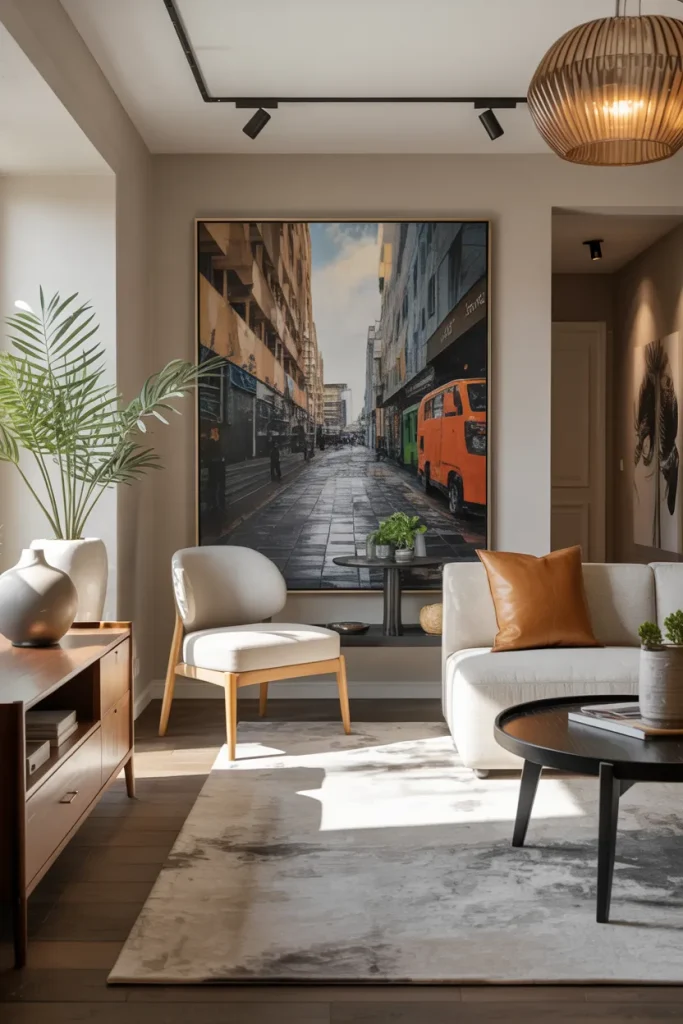
Art creates a strong focal point that enhances the dining room atmosphere. A well-placed wall piece ties together colors, furniture, and decor elements. It adds personality while improving overall design harmony.
Combining art with lighting and plants enhances visual balance and depth. Proper arrangement around the table and chairs keeps the space cohesive. This approach transforms the dining area into a stylish centerpiece.
Must-See: Narrow Bathroom Ideas
Conclusion
Small Dining Room Ideas show that a beautiful space is not about size but about smart layout, functional furniture, and a warm atmosphere. Even a compact dining area can feel open and inviting with the right lighting, color palette, and thoughtful decor choices.
Focus on clean design, clever storage, and a balanced arrangement that supports your daily routine. Add personal touches through textures, seating, and accessories to create a space that feels truly yours. When everything comes together, your dining room feels comfortable, stylish, and just right for every moment. Get More Modern Home Décor Inspiration Every Day at Decorifyo.Com.